Martha's Dream: Unpacking the Heartbreaking Story of 'Kindergarten Boyfriend'
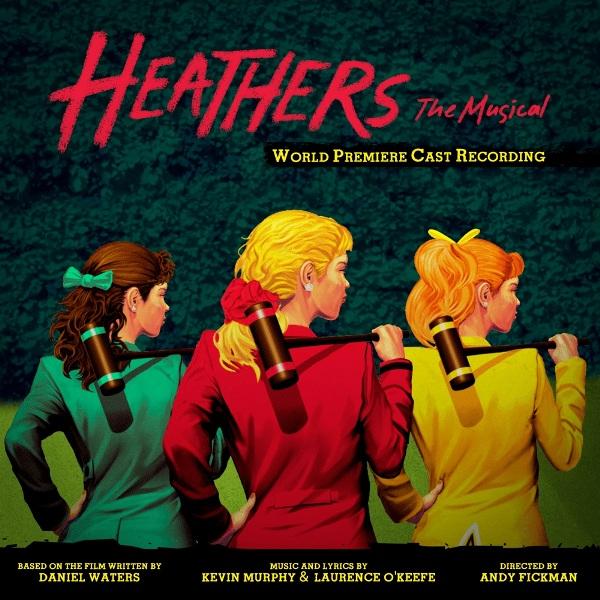
In the darkly comedic and often shocking world of Heathers the Musical, where popularity is power and cruelty reigns supreme, there emerges a beacon of heartbreaking vulnerability: Martha Dunnstock's poignant anthem, "Kindergarten Boyfriend." Performed with exquisite tenderness by Katie Ladner in the Off-Broadway production, this song stands as a powerful testament to lost innocence, the yearning for genuine connection, and the painful disillusionment that often accompanies growing up. While the show is famous for its biting satire and edgy themes, the poignant meaning of Heathers' 'Kindergarten Boyfriend' lyrics offers a stark and emotional counterpoint, inviting audiences into the private world of a girl dreaming of a simpler, kinder past.
The song chronicles Martha's nostalgic retreat to a cherished memory from kindergarten – a time when she felt seen, valued, and loved unconditionally. It’s a beautifully crafted narrative that resonates deeply with anyone who has ever felt like an outsider, clinging to the warmth of a bygone era. Through vivid imagery and raw emotion, the Kindergarten Boyfriend lyrics paint a picture of a childhood fantasy that serves as both a comfort and a tragic escape from the harsh realities of her teenage life.
The Genesis of a Golden Memory: Innocence and Pure Affection
Martha’s narrative begins with the idyllic recall of her kindergarten days, introducing a boy who embodies everything she now lacks in her high school existence. He was "sweet," acknowledged her intelligence ("he said that I was smart"), was well-liked, and shared simple, intimate moments, like a mat during nap time. This initial verse of the Kindergarten Boyfriend lyrics immediately establishes a stark contrast to the superficiality and cruelty she experiences as a teenager, particularly at the hands of the Heathers and their followers.
The beauty of this memory lies in its purity. In kindergarten, physical appearance or social standing held no sway. The boy’s affection was genuine and unburdened by societal judgment. Martha didn't sleep; instead, she "sat and watched him breathing, watched him dream for nearly half an hour." This line is incredibly powerful, showcasing an innocent devotion and a profound sense of connection that predates the complex anxieties of adolescence. It's a snapshot of a time when love was uncomplicated, a simple exchange of kindness and shared space.
The narrative deepens with an unforgettable, almost startling image: the boy pulling a scab off during kickball, kissing Martha, and pressing the scab into her hand. Martha's response — taking that scab and putting it "in a locket," wearing it "all year long... near my heart" — is perhaps the most striking symbol in the entire song. This seemingly gross gesture transforms into a powerful emblem of first love, trust, and the preservation of an unfiltered, innocent bond. It wasn't about conventional beauty or grand romantic gestures; it was about a raw, authentic connection that Martha treasured above all else. He "didn't care if I was thin or pretty," she laments, highlighting the crushing difference from her current reality where such concerns dominate. This pure connection, she says, was "mine until we hit first grade. Ooh ooh ooh ooh ooh ooh ooh ooh ooh. Then he woke up." The repeated phrase "Then he woke up" serves as a brutal reminder that this beautiful dream of innocence was finite, a temporary reprieve before the harsh dawn of reality. For a deeper dive, consider analyzing Heathers' 'Kindergarten Boyfriend' from scabs to dreams.
The Crushing Reality and the Dream's Embrace: Escapism as Survival
As the song progresses, the wistful nostalgia gives way to a painful acknowledgment of present-day realities. Martha sings, "Now we're all grown up and we know better. Now we recognize the way things are. Certain boys are just for kindergarten. Certain girls are meant to be alone." These lines are devastating, encapsulating the deep sense of isolation and unworthiness that Martha feels. The innocence of kindergarten has been replaced by a rigid, unforgiving social hierarchy where she believes she has been permanently assigned to the lowest rung, destined for loneliness.
It's at this point that Martha's dream transforms from a cherished memory into a desperate sanctuary. She vividly imagines a "horse with wings" flying into her homeroom, carrying her kindergarten boyfriend. Together, they soar "above the gym, across the faculty parking lot." This fantastical escape isn't just wishful thinking; it’s a tangible, almost desperate coping mechanism. For Martha, the dream is not merely an internal refuge but a world she yearns to inhabit permanently. She declares, "But I believe any dream worth having is a dream that should not have to end. So I'll build a dream that I can live in, and this time I'm never waking up." This chilling declaration reveals the depth of her despair and her profound need to escape a reality that offers her no comfort or acceptance.
Symbolism of the Eternal Kindergarten
The song's conclusion is a breathtaking, if tragic, vision of this eternal dream. Martha imagines flying "through the dawn to a new kindergarten where nap time is centuries long." This "new kindergarten" represents a world free from judgment, cruelty, and the pain of growing up. It's a place where innocence is preserved indefinitely, where the simple joys and unconditional acceptance of early childhood can last forever. The desire for "nap time is centuries long" speaks volumes about her yearning for perpetual peace, safety, and a world where the brutal awakening of reality never comes.
This is Martha's ultimate escape – a fantastical, almost ethereal realm where she can be reunited with the purest form of love she has ever known, safe from the bullies and the heartbreak that define her real life. It’s a tragic yet beautiful manifestation of her longing for belonging and acceptance.
Why 'Kindergarten Boyfriend' Resonates So Deeply
The enduring power of "Kindergarten Boyfriend" lies in its universal themes. While Martha’s situation is specific to the brutal world of Westerberg High, her feelings of alienation, nostalgia for a simpler past, and the longing for genuine connection are experiences many can relate to. The song serves as a powerful reminder of:
- Lost Innocence: The transition from childhood's pure acceptance to adolescence's harsh judgments.
- First Love and Validation: The profound impact of someone seeing and valuing you for who you are, without conditions.
- Escapism: The human tendency to retreat into fantasy or memory when reality becomes too painful.
- The Plight of the Underdog: Martha is the quintessential outsider, and her vulnerability elicits deep empathy from the audience.
Moreover, the song's placement within Heathers the Musical amplifies its impact. In a show filled with dark humor, violence, and cynical characters, Martha’s earnest vulnerability shines through, offering a poignant counterpoint that highlights the devastating collateral damage of the Heathers' reign. Katie Ladner's delivery brings an almost unbearable sweetness and fragility to the role, making Martha's dream all the more heartbreaking and her longing palpable.
To truly appreciate the depth of the Kindergarten Boyfriend lyrics, it's essential to consider the narrative arc of Martha Dunnstock within the musical. Her character embodies the innocent victim, the one whose dreams are crushed by the system. This song is her moment of pure, unadulterated longing, an emotional anchor that grounds the musical's more extreme elements in a relatable human experience. It’s a testament to the power of musical theatre to explore profound emotional landscapes, even amidst darker themes.
Beyond the Stage: The Lasting Impact of Martha's Dream
"Kindergarten Boyfriend" has cemented its place as a fan favorite, not just for its beautiful melody but for its profound emotional resonance. It speaks to anyone who has ever felt overlooked, misunderstood, or yearned for a return to a time when life felt simpler and kindness was abundant. The song's ability to evoke such strong feelings is a testament to its masterful lyricism and Martha's powerful characterization.
For those new to musical theatre or looking to deepen their appreciation, Martha's song offers valuable insights. When listening to a song like "Kindergarten Boyfriend," pay attention to:
- Character Arc: How does this song reveal the character's inner world and their journey? Martha's vulnerability here is crucial to understanding her later actions (or inactions).
- Symbolism: What objects or ideas are used to convey deeper meaning? The scab, the locket, the winged horse are all rich with symbolic weight.
- Contrasting Themes: How does the song's mood or message contrast with the overall tone of the show? This contrast often highlights key messages.
- Vocal Performance: How does the singer's interpretation enhance the meaning of the lyrics? Katie Ladner's tender delivery is integral to the song's impact.
By delving into the nuances of the Kindergarten Boyfriend lyrics, listeners can unlock a deeper understanding of not just Martha's story, but also the universal human experience of longing for connection and the comfort of cherished memories. It serves as a poignant reminder that even in the darkest of tales, there are moments of profound beauty and heartbreaking innocence that resonate long after the final curtain falls.
Martha's "Kindergarten Boyfriend" is more than just a song; it's a window into the soul of a character desperate for warmth in a cold world. It’s a dream built on the foundations of lost innocence, a painful escape, and a haunting melody that reminds us of the power of memory and the enduring human need for love and acceptance. Its heartbreaking beauty continues to captivate audiences, cementing its status as one of the most beloved and poignant numbers from Heathers the Musical.